
Skip to content
Neundorfer 50 Year Anniversary Logo
Home Insights Troubleshooting Common ESP Issues

Troubleshooting Common ESP Issues

https://www.neundorfer.com/wp-content/uploads/2025/05/q2_newsletter_image_6.jpg

Diagnosing and Resolving Operational Challenges in Electrostatic Precipitators (ESP)

Electrostatic precipitators are critical to maintaining efficient plant operations and ensuring compliance with emissions regulations. However, troubleshooting ESP performance issues can be challenging without a structured approach. In this edition, we will focus on distinguishing between process-induced and equipment-related challenges, identifying common ESP issues, and providing valuable resources to help diagnose and resolve problems effectively.

Why kV is King – The Role of Voltage in ESP Performance

Before we start discussing diagnosing, we need to understand the important role secondary voltage plays in an ESP.  Secondary voltage (kV) is the most important factor in ESP performance because it directly influences particle charging and collection efficiency. The ability of an ESP to function effectively relies on maintaining optimal voltage levels across all fields.

The Rule of 10 kV Per Inch of Clearance

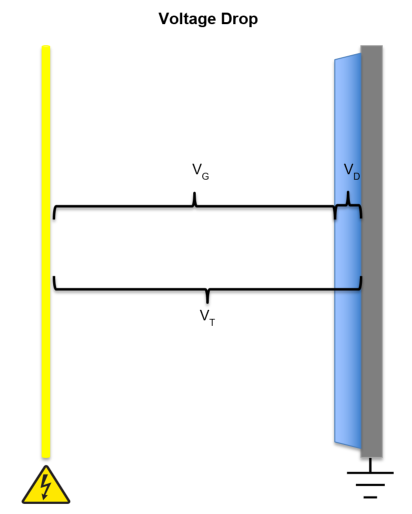
A well-performing ESP follows the general rule that the secondary voltage should be at least 10 kV per inch of clearance between the discharge electrodes and the collecting plates. This ensures:

  • Efficient Particle Charging: Higher voltage creates a stronger electric field, enhancing particle ionization.
  • Improved Particle Migration: Proper voltage levels ensure that charged particles move efficiently toward the collecting plates.
  • Efficient Particle Collecting: Proper voltage levels ensure that the charged particles remain on the collecting plates until the rapping system is ready to remove them.

You Are Only as Good as Your Closest Clearance

The ESP field will always be limited by the area with the smallest gap between electrodes and plates. If certain sections have reduced spacing due to:

  • Bent or misaligned electrodes
  • Ash buildup
  • Structural issues

Then the entire ESP field will operate at a lower-than-optimal voltage. Regular inspection and maintenance are necessary to identify and correct clearance issues to maintain peak performance.

Identifying Process or Equipment-Related Challenges

When ESP performance declines, the first step in troubleshooting is determining whether the root cause is a process-related issue or a problem within the precipitator itself. The general rule of thumb is:

  • If the performance issue is isolated to one or a few fields, it is likely an ESP equipment issue.
  • If the entire ESP experiences power reductions or overall performance issues, a process-related factor is more likely the cause.

Key Indicators to Differentiate Between Process and Equipment Issues:

IndicatorLikely Cause
Powering and sparking issues affecting all fieldsProcess-related issue (ex. changes in resistivity of the collected material related to change in process)
One or a few fields experiencing higher spark rates and lower powerESP equipment issue (ex. Field shorted impacting downstream fields)
Sudden high sparking rates in multiple fieldsMoisture or temperature fluctuation in the process (ex. Rain event)
Localized power loss in specific sectionsDirty electrodes within the ESP

Troubleshooting Tip: Keeping a log of ESP operating parameters can help quickly identify deviations from normal trends, making it easier to pinpoint whether an issue stems from an external process change or an internal precipitator failure.

The Most Common Issues with Precipitators and How to Fix Them

Even well-maintained ESPs can develop performance problems over time. Below are some of the most common issues and troubleshooting steps to resolve them:

1. Voltage Control Issues

Voltage control problems can stem from incorrect settings, faulty input calibration, or hardware failures.

  • Incorrect Voltage Settings: Ensure that the voltage and current setpoints are optimized for the specific T/R set and field they are controlling.
  • Bad Signal Input Calibration: The voltage divider or secondary current sense resisters may need recalibration or replacement if the signal feedback does not match actual voltage and current readings.  Check with a clamp on meter.
  • Control System Misinterpretations: Sometimes, precipitator conditions (such as increased sparking) are perceived as control failures. Reviewing alarm logs and trends can help differentiate between true control issues and system reactions to process changes.
https://www.neundorfer.com/wp-content/uploads/2019/12/VoltageDrop.png

2. Dirty Discharge Electrodes or Collecting Plates

Over time, the buildup of particulates on discharge electrodes and collecting plates can reduce ESP efficiency.

Indicators: High sparking rates, declining collection efficiency, and increased emissions.

Solutions:

  • Verify that rapper systems are operating effectively.
  • Increase rapper intensity or frequency as needed.
  • Conduct a shutdown inspection to assess and clean excessive buildup manually.

3. Electrical Grounds or Shorts in the ESP

Ground faults or shorts can severely impact ESP performance, causing sections of the unit to trip offline.

Common Causes:
  • Ash bridging between electrodes and grounded components.
  • Misaligned electrodes or bent discharge electrodes or collecting plates.
  • Insulator contamination leading to electrical leakage.
Solutions:
  • Conduct a thorough inspection during outages to check for misaligned electrodes and debris.
  • Clean or replace damaged insulators.
  • Check that upper and lower electrical frames are in alignment.
  • Check the high voltage bus connections from the T/R set to the upper high voltage frame.

By systematically addressing these issues, operators can restore ESP functionality and extend the life of their equipment.

Spotlight: Get Your Free Precipitator Troubleshooting Charts from Neundorfer

To help our customers quickly diagnose and resolve ESP and control system issues, we offer a Precipitator Troubleshooting Chart that outlines common problems, possible causes, and recommended corrective actions. This easy-to-use reference guide is invaluable for maintenance teams and engineers working to optimize ESP performance.

Request Your Free Chart

Ready to Talk?

Get started working with Neundorfer today & see how we can assist your company.

Contact Us

From Our Optimized Insights

Latest Insights

  • News Article

    2025: A Year of Milestones, Momentum, and Gratitude

    As we reach the close of 2025, I want to take a moment to reflect on the progress we’ve made together during a year filled with meaningful achievements and important transitions. First, I’m proud to share that we completed another year with zero safety incidents. Safety is foundational to…

  • News Article

    Celebrating 50 Years of Neundorfer!

    This year marks a milestone: Neundorfer’s 50th Anniversary. For half a century, we’ve been driven by innovation, collaboration and a commitment to helping our partners solve complex challenges in smarter, more sustainable ways. In August, we gathered with employees, partners, and friends to celebrate this achievement. It was…

  • News Article

    2024 in Review: Success, Sustainability, and Milestones

    2024 in Review: Success, Sustainability, and Milestones As the year draws to a close, I want to take a moment to reflect on the successes we’ve achieved and the milestones we’ve reached together. This has been a remarkable year—one that saw us successfully complete numerous projects, welcome…